Saturday, August 8, 2020

Cherokee Myth - WAHNENAUHI VERSION; THE ORIGIN OF GAME AND CORN

Cherokee Myth  

Tales Around the Campfire -  Robert Hood, designer, and Edward Francis Finden, engraver, Interior of a Cree Indian Tent. March 25th. 1820, 1823

See: Myths of the Cherokee. Extract from the Nineteenth Annual Report of the Bureau  of American Ethnology. Washington Government Printing Office 1902. Recorded by James Mooney (1861-1921) was an American ethnographer who lived for several years among the Cherokee.

WAHNENAUHI VERSION; THE ORIGIN OF GAME AND CORN

After the world had been brought up from under the water, “They then made a man and a woman and led them around the edge of the island. On arriving at the starting place they planted some corn, and then told the man and woman to go around the way they had been led. This they did, and on returning they found the corn up and growing nicely. They were then told to continue the circuit. Each trip consumed more time. At last the corn was ripe and ready for use.”

Another story is told of how sin came into the world. A man and a woman reared a large family of children in comfort and plenty, with very little trouble about providing food for them. Every morning the father went forth and very soon returned bringing with him a deer, or a turkey, or some other animal or fowl. At the same time the mother went out and soon returned with a large basket filled with ears of corn which she shelled and pounded in a mortar, thus making meal for bread.

When the children grew up, seeing with what apparent ease food was provided for them, they talked to each other about it, wondering that they never saw such things as their parents brought in. At last one proposed to watch when their parents went out and to follow them.

Accordingly next morning the plan was carried out. Those who followed the father saw him stop at a short distance from the cabin and turn over a large stone that appeared to be carelessly leaned against another. On looking closely they saw an entrance to a large cave, and in it were many different kinds of animals and birds, such as their father had sometimes brought in for food. The man standing at the entrance called a deer, which was lying at some distance and back of some other animals. It rose immediately as it heard the call and came close up to him. He picked it up, closed the mouth of the cave, and returned, not once seeming to suspect what his sons had done.

When the old man was fairly out of sight, his sons, rejoicing how they had outwitted him, left their hiding place and went to the cave, saying they would show the old folks that they, too, could bring in something. They moved the stone away, though it was very heavy and they were obliged to use all their united strength. When the cave was opened, the animals, instead of waiting to be picked up, all made a rush for the entrance, and leaping past the frightened and bewildered boys, scattered in all directions and disappeared in the wilderness, while the guilty offenders could do nothing but gaze in stupefied amazement as they saw them escape. There were animals of all kinds, large and small—buffalo, deer, elk, antelope, raccoons, and squirrels; even catamounts and panthers, wolves and foxes, and many others, all fleeing together. At the same time birds of every kind were seen emerging from the opening, all in the same wild confusion as the quadrupeds—turkeys, geese, swans, ducks, quails, eagles, hawks, and owls.

Those who followed the mother saw her enter a small cabin, which they had never seen before, and close the door. The culprits found a small crack through which they could peer. They saw the woman place a basket on the ground and standing over it shake herself vigorously, jumping up and down, when lo and behold! large ears of corn began to fall into the basket. When it was well filled she took it up and, placing it on her head, came out, fastened the door, and prepared their breakfast as usual. When the meal had been finished in silence the man spoke to his children, telling them that he was aware of what they had done; that now he must die and they would be obliged to provide for themselves. He made bows and arrows for them, then sent them to hunt for the animals which they had turned loose.

Then the mother told them that as they had found out her secret she could do nothing more for them; that she would die, and they must drag her body around over the ground; that wherever her body was dragged corn would come up. Of this they were to make their bread. She told them that they must always save some for seed and plant every year.

Thursday, August 6, 2020

Native American Medicinal Plants F

John White Watercolor c 1585 British Museum

F

Fendler’s Bladderpod – Officially known as Lesquerella fendleri, this is a species of flowering plant in the mustard family known by several common names, including Yellowtop. It was used for a variety of purposes by Native Americans including the Hopi, who used the root to treat snakebite, as a gynecological aid after childbirth, and to induce vomiting. The Navajo and Kayenta tribes used a poultice of the roots which was applied to sore eyes. The Navajo also used it as a snuff to clear nasal passages, a poultice of crushed leaves for toothache, and to treat spider bites.

Fennel – Formally known as Foeniculum Vulgare, this highly aromatic and flavorful herb has long been used in cooking and in medicinal remedies. Native to the shores of the Mediterranean, it later traveled to many parts of the world. It was first introduced to North America by Spanish missionaries for cultivation in their medicinal gardens, and was later brought by English settlers. The Hopi tribe smoked the plant as a substitute for tobacco.

Feverwort  – Officially called Triosteum Perfoliatum, this course, leafy herb of the honeysuckle family is also known as Horse Gentian, Fever-root, Wild Coffee, and Tinker’s Weed.  The Cherokee also drank a decoction of the herb to cure fever.

Disclaimer:  These statements have not been evaluated by the Food & Drug Administration. Plants listed here must not be used to diagnose, treat, or heal medical conditions.

Sunday, August 2, 2020

Native American Medicinal Plants G

John White Watercolor c 1585 British Museum

G

Gentiana – A genus of flowering plants belonging to the Gentianaceae family, which has more than 400 species. Common names include Bitter Root, Bitter Wort, Gal Weed, Yellow Gentian, Sampsons Snakeroot, Longdan, and Qin Jiao. Growing in alpine habitats all over the world, most species have pretty, deep blue flowers. Though it has an extremely bitter taste, it was commonly used by Native Americans to treat digestive ailments and as an appetite stimulator. Various species were also used to treat Malaria, stimulate menstruation, and to rid the body of worms. It was also used topically to treat wounds and painful inflammation, one species of which, the Catawba Indians used the roots in hot water on aching backs.

Geranium – Of the Pelargonium species, there are about 200 types of Geraniums found throughout the world. Other common names include Scented Geranium and Stork’s Bill.  In Native American medicine, the Cherokee were known to have boiled geranium root together with wild grape, which was used to rinse the mouths of children affected with thrush. The Chippewa and Ottawa tribes boiled the entire geranium plant and drank the tea for diarrhea.

Goldenseal – Officially known as Hydrastis Canadensis, this herb of the Buttercup family is also known as Yellow Root, Orange Root, Puccoon, Ground Raspberry, and Wild Curcuma. Native to southeastern Canada and the northeastern United States, it was traditionally used by Native Americans to treat skin disorders, digestive problems, liver conditions, diarrhea, as a stimulant, and for eye irritations. The Cherokee were also known to have pounded the large root-stock with bear fat and smeared it on their bodies as an insect repellent. The herb was introduced to early colonists for medical use by the Iroquois.

Green Hellebore – See Hellebore

Greenbriar – Officially known as Smilax Bona-Nox, it is a member of the larger Smilax family of more than 300 species. Also known by several other names such as Bullbriar, Catbriar, Horsebriar, Prickly-ivys, and Pull Out a Sticker to the Cherokee, it grows in temperate zones, tropics and subtropics worldwide. The flowering plants, many of which are woody and/or thorny, its root has often been used as a diuretic, the treatment of dropsy, urinary complaints, and as a blood purifier.

Disclaimer:  These statements have not been evaluated by the Food & Drug Administration. Plants listed here must not be used to diagnose, treat, or heal medical conditions.

Gaultheria hispidula (creeping snowberry) Infusion of leaves used as a tonic for overeating by the Algonquin people. Fruit used as food. Used as a sedative by the Anticosti. Decoction of leaves or whole plant taken for unspecified purpose by Micmac. Leaves used by Ojibwa people to make a beverage.

Gentiana villosa, Catawba Indians used the boiled roots as medicine to relieve back pain.

Geranium maculatum, used by Mesquakie tribe to brew a root tea for toothache & for painful nerves. They also mashed the roots for treating hemorrhoids.

Goldenseal, referred to by Prof. Benjamin Smith Barton in his first edition of Collections for an Essay Toward a Materia Medica of the United States (1978), as being used by the Cherokee as a cancer treatment.

Gutierrezia microcephala, used by the Native Americans for various reasons. The Cahuilla used an infusion of the plant as a gargle or placed the plant in their mouths as a toothache remedy. The Hopi & Tewa both used the plant as a carminative, as prayer stick decorations, & for roasting sweet corn.

Thursday, July 30, 2020

Native American Medicinal Plants H

John White Watercolor c 1585 British Museum

H

Hawthorn – Of the Crataegus species, Hawthorn has been used to treat heart disease as far back as the 1st century. By the early 1800’s, American doctors were using it to treat circulatory disorders and respiratory illnesses.

Hellebores – Commonly known as Hellebore, these flowering plants were native to Eurasia, there are approximately 20 species, many of which are poisonous. Also known as Bugbane, Devil’s Bite, Earth Gall, Indian Poke, Itchweed, and Tickleweed, it has long been used in old medicinal remedies, but is no longer used today as the herb has been found to be severely toxic and has numerous severe side effects. The Cherokee were known to have used the green hellebore to relive body pains.

Hops – Native throughout Europe and Asia, the female flower clusters, commonly called seed cones or strobiles, have long been known as the flavoring and stability agent in beer. However, they were also used in traditional herbal medicine. In Native American remedies, the Mohegan tribe were known to have prepared a sedative medicine that was applied to toothache; the Dakota people used a tea to relieve pains of the digestive organs, and the Menominee tribe regarded a related species of hops as a general panacea.

Horsemint – Officially known as Mentha Longifolia, this is a species of the Mint family native to Europe and Asia, it has long been valued for its antiseptic properties and effect on the digestion. In Native American Medicine, the Catawba tribe crushed and steeped fresh horsemint leaves in cold water and drank the infusion to allay back pain. Other tribes used horsemint for fever, inflammation, and chills.

Disclaimer:  These herbs have not been evaluated by the Food & Drug Administration. Plants listed here must not be used to diagnose, treat, or heal medical conditions. Many are poisonous.

Hamamelis virginiana, also known as Witch Hazel. Native Americans produced witch hazel extract by boiling the stems of the shrub & producing a decoction, which was used to treat swellings, inflammations, & tumors. Witch hazel is utilized by many tribes, including the Menominee for sore legs of tribesmen who participate in sporting games, the Osage for skin ulcers & sores, the Potawatomi in sweat lodges for sore muscles & the Iroquois in tea for coughs & colds.
Tribe Uses
Cherokee Pain relief, colds, skin issues & fever
Chippewa Skin issues, emetic, sore eyes
Iroquois Confederation Antidiarrheal, blood purifier, arthritis, appetite stimulant
Menominee Predictor of future healing
Potawatomi Sore muscles
Mohegan Dowsing

Heracleum maximum, used by various Native American peoples. Perhaps the most common use was to make poultices to be applied to bruises or sores

Holodiscus discolor, used by Indian tribes, such as the Stl'atl'imx. They would steep the berries in boiling water to use as a treatment for diarrhea, smallpox, chickenpox & as a blood tonic.

Holodiscus dumosus, used by the Paiute & Shoshone as medicine for problems such as stomach aches & colds.

Sunday, July 26, 2020

Native American Medicinal Plants I

John White Watercolor c 1585 British Museum

I

Indian Hemp – Formally known as Apocynum Cannabinum, and also called American Hemp, Dogbane, Amy Root, Hemp Dogbane, Rheumatism Root, and Wild Cotton, this is a type of marijuana. Native throughout much of North America, it grows in Gravelly or sandy soil, mainly near stream, and is known as a common weed of cultivated land. Primarily used by Native Americans for its fiber numerous tribes used it for making clothes, twine, bags, linen, and paper. Though it is a poisonous plant that can cause cardiac arrest if ingested, it was also common in Native American herbal remedies. Its boiled roots were made into teas to treat syphilis, rheumatism, intestinal worms,fever, asthma, and dysentery. The Prairie Potawatomi also utilized it as a heart medicine, problems and dropsy.

Indian Paintbrush – Officially known as Castilleja, and also called Prairie-fire, this is a genus of about 200 species of Broomrape family, that are native to the west of the Americas from Alaska south to the Andes. The flowers of Indian Paintbrush are edible and sweet, and were consumed in moderation by various Native American tribes as a condiment with other fresh greens.  The Chippewa Indians are known to use Indian Paintbrush as a medicine to treat rheumatism and as a bath rinse to make their hair glossy.  Nevada Indian tribes used the plant to treat sexually-transmitted diseases and to enhance the immune system, and Hopi women drank a tea of the whole Indian paintbrush to “Dry up the menstrual flow.”

Ilex verticillata, used by Native Americans for medicinal purposes, the origin of the name "fever bush."

Iris missouriensis, the roots of which were used by some Plateau tribes to treat toothache.

Disclaimer:  These herbs have not been evaluated by the Food & Drug Administration. Plants listed here must not be used to diagnose, treat, or heal medical conditions. Many are poisonous.

Thursday, July 23, 2020

Native American Medicinal Plants J - L

John White Watercolor c 1585 British Museum

J
Jeffersonia diphylla – the Cherokee reportedly used an infusion of this plant for treating dropsy & urinary tract problems, it was also used as a poultice for sores & inflammation. The Iroquois used a decoction of the plant to treat liver problems & diarrhea.

Juniperus communis – Western American tribes combined the berries of Juniperus communis with Berberis root bark in a herbal tea. Native Americans also used juniper berries as a female contraceptive.

Juniperus scopulorum, the leaves & inner bark of which were boiled by some Plateau tribes to create an infusion to treat coughs & fevers. The berries were also sometimes boiled into a drink used as a laxative & to treat colds.

L
Larrea tridentata, used by Native Americans in the Southwest as a treatment for many maladies, including sexually transmitted diseases, tuberculosis, chicken pox, dysmenorrhea, & snakebite. The shrub is still widely used as a medicine in Mexico. It contains nordihydroguaiaretic acid.

Lobelia – A flowering plant most often found in tropical and warm regions, Native Americans have long used lobelia to treat respiratory and muscle disorders, and as a purgative. Appalachian folk medicine utilized the plant for asthma.

Disclaimer:  These herbs have not been evaluated by the Food & Drug Administration. Plants listed here must not be used to diagnose, treat, or heal medical conditions. Many are poisonous.

Sunday, July 19, 2020

Native American Medicinal Plants M

John White Watercolor c 1585 British Museum

Maca – Officially known as Lepidium Meyenii, this plant is native to the high Andes of Peru and Bolivia. It has been harvested and used by humans for centuries, consumed as a food and for medicinal purposes.

Mayapple – Officially known as Podophyllum Peltatum, this plant native to wooded areas of eastern North America, it went by a number of other names including American Mandrake, Ducks Foot, Ground Lemon, Hog Apple, Indian Apple, Love Apple, Racoon Berry, Umbrella Plant, and others. The ripened fruit is edible in moderate amounts, though when consumed in large amounts the fruit is poisonous. The edible fruit was used extensively by Native Americans, eaten raw, cooked or made into jams, jellies, marmalades, and pies. Though other parts of the plant are toxic, Indian Healers used the roots of the plants as a laxative, to treat worms, and for liver function. Externally, they used it to treat snakebite, warts, and some skin conditions. They also used it as an insecticide on their crops.

Milkweed – Formally known as Asclepias Syriaca, this herb, named for its milky juice is also known as Common Milkweed, Common Silkweed, Cottonweed, Silkweed, Wild Cotton, Virginia-Silk, and Silky Swallowwort.  Though it can be toxic if not prepared properly, Milkweed was used as a food and medicine, as well as in making cords, ropes, and a coarse cloth. The young shoots, stems, flower buds, immature fruits, and roots of butterfly milkweed were boiled and eaten as a vegetable by various indigenous groups of eastern and mid-western America. The Meskwaki tribe steamed the flower buds as a food source, which was nutritious but not considered very flavorful. The Cherokee drank an infusion of common milkweed root and Virgin’s Bower (Clematis species) for backache. They also used the plant as a laxative, an antidote for dropsy, and an infusion of the root for venereal diseases. The Meskwaki and Mohaw used a decoction as a contraceptive; the Iroquois and Navajo to prevent problems after childbirth; and the Chippewa, to produce postpartum milk flow.

Mint – Known officially as Mentha, it originated in Asia and the Mediterranean region, but, today there are several varieties which are grown all over the world. Fresh or dried leaves have long been used in teas, beverages. It has also been long used to treat indigestion, respiratory problems, heartburn, colds, flu, allergies, headache, and as a mild sedative. Externally, it has been used to treat minor burns, itching, acne, and skin irritations. The Cherokee were known to have used the leaves and stems to lower high blood pressure.

Mullein – Officially known as genus Verbascum, and also known as velvet plants, this species of flowering plants are native to Europe and Asia, and were first introduced to America by the Europeans. A tobacco-like plant and one of the oldest herbs, it has a long history of use as a medicine, used to treat asthma and respiratory disorders. Native Americans, including the Menominee, Forest Potawatomi, Mohegan, and Penobscot often inhaled the smoke from smoldering mullein roots and leaves to soothe asthma attacks, chest congestion, and other respiratory disorders.  The Catawba Indians used a sweetened syrup from the boiled root, which they gave to their children for cough.

Mahonia aquifolium, used by some Plateau tribes to treat dyspepsia.

Mahonia nervosa, an infusion of the root of which was used some Plateau tribes to treat rheumatism.

Mahonia repens, used by the Tolowa & Karok of Northwest California used the roots for a blood & cough tonic.

Malosma, the root bark of which was used by the Chumash to make an herbal tea for treating dysentery.

Menispermum canadense, Cherokee used as a laxative, & as a gynecological & venereal aid. The root was used for skin diseases. The Lenape used it in a salve for sores on the skin.

Disclaimer:  These herbs have not been evaluated by the Food & Drug Administration. Plants listed here must not be used to diagnose, treat, or heal medical conditions. Many are poisonous.


Wednesday, July 15, 2020

Native American Medicinal Plants O - P

John White Watercolor c 1585 British Museum

O
Oak – Scientifically called Quercus, these trees and shrubs have about 600 species found all over the world. Its fruit, the acorn, was a staple of many Native American cultures and the inner bark of the tree was used for a variety of ailments. Acorns are an ideal food for those with degenerative, wasting diseases such as tuberculosis, and when it was rampant in the early 19th century, acorn porridge was often prescribed. Native Americans used the inner bark of the oak to make a bitter decoction used in the treatment of diarrhea, a gargle for sore throats, kidney and bladder problems, viruses, and menstrual bleeding. Poultices were also used for skin problems, ringworm, burns, sores, sprains, and swelling.

Osha – Formally known as Ligusticum Porteri, it is also called Porter’s Licorice Root, Osha Root, Bear Root, Colorado Cough Root. In some Native American cultures it is called Bear Root and Bear Medicine. Of the celery family, this aromatic plant grows in the mountain woodlands throughout the Southwest. The whole plant has been used medicinally, however the thick taproots are most highly valued. Having a wide variety of medicinal properties and highly valued, it was commonly traded among Native Americans, so tribes far removed from the plants indigenous area, also utilized the herb in their ceremonies and medicines. Osha roots, either fresh or dried were in teas, tonics, and chewed for internal use and made into poultices and salves for external use. It has long been known to have warming properties which were used against cold and chills and to stimulate circulation. Salves and liniments were used for sore muscles, body aches, rheumatism, and arthritis, and because of its strong smell was used as a snake and insect repellent by the Apache and Indians, and to treat insect and spider bites. Internally it was used for digestive problems, respiratory problems, headache, cold and flu systems, fever, heartburn, and sinusitis. Many tribes also used the Osha root as incense for purification and during ceremonies. The Chiricahua and Mescelero Apache use the aromatic root with chilies as a culinary spice to flavor meat.

Osmunda claytoniana, used by the Iroquois for blood & venereal diseases & conditions.

P
Pinus quadrifolia, used medicinally by the Cahuilla by taking the resin & making a face cream usually used by girls to prevent sunburn. The resin was also used as a glue for fixing pottery & reattaching arrowheads to the arrow shafts. The nuts were given to babies as an alternative for breast milk; were ground then mixed with water as a drink; were roasted; were ground into mush; & were an important trade item.The Diegueno also ate nuts & the seeds also.

Pinus strobus, the resin of which was used by the Chippewa to treat infections & gangrene.

Prunus emarginata, used by Kwakwaka'wakw & other tribes for poultices & bark infusions.

Prunus virginiana, the root bark of which was once made into an asperous-textured concoction used to ward off or treat colds, fever & stomach maladies by Native Americans.

Disclaimer:  These herbs have not been evaluated by the Food & Drug Administration. Plants listed here must not be used to diagnose, treat, or heal medical conditions. Many are poisonous.

Native American Medicinal Plants N

John White Watercolor c 1585 British Museum

Native Hemlock – Officially called Tsuga, this is type of Conifer tree in the Pine family. Unlike poison hemlock (conium), the species of Tsuga are not poisonous. Western Hemlock, technically called west coast of North America. It was often used by area tribes as a dye, for tanning hides, making baskets and wooden items. The pitch was often applied topically as a poultice or slave for colds and to prevent sunburn. A decoction of pounded bark was also used in the treatment of hemorrhages. Another species, commonly known as Mountain Hemlock (Tsuga Mertensiana) was also used by Native Americans. The Menominee and the Forest Potawatomi used the inner bark and twigs it in a tea to relieve colds and fever.

Disclaimer:  These herbs have not been evaluated by the Food & Drug Administration. Plants listed here must not be used to diagnose, treat, or heal medical conditions. Many are poisonous.

Friday, July 3, 2020

Native American Medicinal Plants R


Raspberry – Known by the biological names of Rubus Idaeus and Rosaceae, the leaves and fruits have a long tradition of use in pregnancy to strengthen and tone the uterine tissue, assisting contractions, and checking any hemorrhage during labor. As an astringent it is useful in a wide range of cases, including diarrhea, and to alleviate the problems of the mouth, such as mouth sores, bleeding gums and inflammation. As a gargle to help sore throats. Fresh or dried leaves were also steeped in tea for digestive complaints and mild nausea.

Rhodiola – Known officially as Rhodiola Rosea, it is also known as Golden Root, Roseroot, Aaron’s Rod. It grows in cold regions of the world, including the Rocky Mountains. It has long been used to improve mood and alleviate depression. It has also been found to improve physical and mental performance, reduce fatigue, stress, anxiety.

Ribes divaricatum, used by various tribes in the Pacific Northwest.

Ribes glandulosum (skunk currant), used in a compound decoction of the root for back pain & for "female weakness" by the Ojibwa people. The Cree people use a decoction of the stem, either by itself or mixed with wild red raspberry, to prevent clotting after birth. The Algonquin people use the berries as food.

Ribes laxiflorum, used an infusion to make an eyewash (roots & or branches, by the Bella Coolah). Decoctions of: bark to remedy tuberculosis (with the roots, by the Skokomish); or for the common cold (Skagit): leaves & twigs, as a general tonic (Lummi).

Disclaimer:  These herbs have not been evaluated by the Food & Drug Administration. Plants listed here must not be used to diagnose, treat, or heal medical conditions. Many are poisonous.

Wednesday, July 1, 2020

Cherokee Plant Lore


Extracted from:  Myths of the Cherokee.  Extract from the Nineteenth Annual Report of the Bureau  of American Ethnology. Washington Government Printing Office 1902  Recorded by James Mooney (1861-1921) was an American ethnographer who lived for several years among the Cherokee.

PLANT LORE

The Indians are close observers, and some of their plant names are peculiarly apt. Thus the mistletoe, which never grows alone, but is found always with its roots fixed in the bark of some supporting tree or shrub from which it draws its sustenance, is called by a name which signifies "it is married" (uda'`li).

The violet is still called by a plural name, dinda'skwate'ski, "they pull each other's heads off," showing that the Cherokee children have discovered a game not unknown among our own. 

The bear-grass (Eryngium), with its long, slender leaves like small blades of corn, is called salikwâ'yi, "greensnake," and the larger grass known as Job's tears, on account of its glossy, rounded grains, which the Indian children use for necklaces, is called sel-utsi', "the mother of corn." 

The black-eyed Susan (Rudbeckia) of our children is the "deer-eye" (a`wi'-akta') of the Cherokee, and our lady-slipper (Cypripedium) is their "partridge moccasin" (gugwe'-ulasu'la). 

The May-apple (Podophyllum), with its umbrella-shaped top, is called u'niskwetu'`gi, meaning "it wears a hat," while the white puffball fungus is nakwisi'-usdi', "the little star," and the common rock lichen bears the musical, if rather unpoetic, name of utsale'ta, "pot scrapings." 

Some plants are named from their real or supposed place in the animal economy, as the wild rose, tsist-uni'gisti, "the rabbits eat it"--referring to the seed berries--and the shield fern (Aspidium), yân-utse'stû, "the bear lies on it." 

Others, again, are named from their domestic or ceremonial uses, as the fleabane (Erigeron canadense), called atsil'-sûñ`ti, "fire maker," because its dried stalk was anciently employed in producing fire by friction, and the bugle weed (Lycopus virginicus), known as aniwani'ski, "talkers," because the chewed root, given to children to swallow, or rubbed upon their lips, is supposed to endow them with the gift of eloquence. 

Some few, in addition to the ordinary term used among the common people, have a sacred or symbolic name, used only by the priests and doctors in the prayer formulas. Thus ginseng, or "sang," as it is more often called by the white mountaineers, is known to the laity as â'tali-gûli', "the mountain climber," but is addressed in the formulas as Yûñwi Usdi', "Little Man," while selu (corn) is invoked under the name of Agawe'la in myths, as, for instance, that of Prosartes lanuginosa, which bears the curious name of walâs'-unûl'sti, "frogs fight with it," from a story that in the long ago--hilahi'yu--two quarrelsome frogs once fought a duel, using its stalks as lances. In the locative form this was the name of a former Cherokee settlement in Georgia, called by the whites Fighting-town, from a misapprehension of the meaning of the word. Of the white clover, the Cherokee say that "it follows the white man."

Monday, June 29, 2020

Native American Medicinal Plants S


S

Sage – Technically known as Salvia Officinalis, this small evergreen shrub is also known as garden sage & common sage. Sage is held sacred by many Native Americans because of it’s effective purifying energies. 
Sage is a small evergreen shrub used to treat inflammation, bacterial or viral infection & chronic illness.  The following table examines why various tribes use sage.
Tribe                 Uses
Cahuilla         Colds, shampoo, deodorant, cleanse hunting equipment of bad luck
Costanoan Eye cleanser, fevers
Dakota (Oglala) Disinfectant, stomach ache
Diegueno Colds, poison oak treatment, general strengthening
Eskimo         Inflammation
Mahuna         Heal damage from birth
Tübatulabal         Consumed seeds as food

Saltbush – Officially known as Atriplex, there are several hundred species, also known as Orache. It includes many desert & seashore plants which are extremely tolerant of salt content in the ground. Their name derives from the fact that they retain salt in their leaves. Various species have long been used for a variety of health conditions, including pain, sores, spider & insect bites, rashes, stomach ache & more. It has also been used to purify water. The Hopi were known to burn & inhale the smoke for epilepsy & also used it in kiva fires for ceremonial medicine; the Paiute to boil the leave which they used for sore muscles & aches & a poultice was applied to the chest for colds. In addition to using for insect bites, the Navajo were known to have used the leaves for pain, cough, gastrointestinal problems, & as a toothache remedy.

Salvia apiana, several tribes used the seed for removing foreign objects from the eye. A tea from the roots was used by the Cahuilla women for healing & strength after childbirth. The leaves are also burnt by many Native American tribes, with the smoke used in different purification rituals. 

Salvia mellifera, the leaves & stems of the plant were made by the Chumash into a strong sun tea. This was rubbed on the painful area or used to soak one's feet. 

Sasaparilla – Scientifically called Smilax Regelii & Smilax Aspera, this perennial trailing vine with prickly stems is native to Central America & is most commonly known for its use in soft drinks. It’s been used throughout the world for many centuries & in the 1400’s, it was introduced into European medicine by contact with the indigenous tribes in South America. It has several beneficial uses in medicinal remedies including treatment for syphilis, to aid digestion, pain, blood cleansing, arthritis, colds, impotence, gonorrhea, rheumatism, wounds, fever, cough, hypertension, skin diseases, leprosy, & cancer. Like many other herbs, it has anti-oxidant properties. The Penobscot were known to have used pulverized dried sarsaparilla roots in combination with Sweetflag as a cough remedy.

Sassafras – Officially known as Sassafras Albidum, these small trees or shrubs native to the eastern North America From Maine to Ontario, south to Florida & Texas. Sassafras was used extensively for food & medicine by Native Americans long before European settlers arrived & its bark became one of the first exports of the New World. In early American folklore, explorers & settlers associated the pleasant aroma of the tree with healing & protection from evil influences, & extracts of the bark & roots soon became a panacea elixir sought by Europeans. Over the years, it has been used to treat measles, chicken pox, colds, flu, fever, as a blood purifier, & as a remedy.

Savory – Known officially as Satureja, Savory is a genus of aromatic plants of the Mint family, related to rosemary & thyme. There are about 30 species called savories, going by several names including Mountain Savory, Summer Savory, & Winter Savory. Summer savory, which is more highly prized as a spice & as a folk medicine, has long been believed to act as an aphrodisiac. It also has a number of uses in medicinal remedies including aiding the system, & to treat flatulence, diarrhea, cough, & colic. Having warming effects it was also used on the chest for congestion.

Saw Palmetto – Scientifically known as Serenoa Serrulata, this small palm grows throughout southeastern parts of North America, & its berries have long been prized by people as well as wildlife. Native Americans have been using saw palmettos for a wide range of purposes including food; the leaves used to weave baskets &  ceremonial dance fans. The heartwood of the palms have been used for traditional medicinal purposes as well as pounded into flour. It has been used in remedies for diarrhea, abdominal pain, to aid digestion, cough, respiratory congestion, inflammation, prostate health, sexual vigor, & to stimulate appetite.

Senegalia greggii, the fresh pods were eaten unripe by the Chemehuevi, Pima, & the Cahuilla. The Cahuilla dried the pods then ground it for mush & cakes, the Havasupai ground it to make bread flour, & the Seri ground it to meal to mix with water & sea lion oil for porridge. The Diegueno used it as food for domesticated animals. The Pima piled dried bushes for a brush fence, & used the branches for cradle frames too. The branches were used to dislodge saguaro fruits from the body.

Skullcap – Officially called Scutellaria Lateriflora, this perennial herb in the mint family is native to North America & grows throughout Canada & the Northern United States. Also known as Blue Skullcap, Hoodwort, Virginian Skullcap, & Mad Dog, it was traditionally cultivated & used by Native American women for menstrual cycles, to stimulate the reproductive system. Some tribes used the herb in purification ceremonies. The Iroquois used an infusion of the root to keep the throat clear, while other tribes used some species as bitter tonics for the kidneys. It has also been found to relieve stress, support the nervous system, for insomnia, tension, & restlessness. A powerful medicinal herb, it is an anti-inflammatory, abortifacient, has been used as a sedative, for the treatment of epilepsy, hysteria, anxiety, throat infections, headache, pain, anxiety, convulsions, & more. Pregnant women should not take Skullcap.

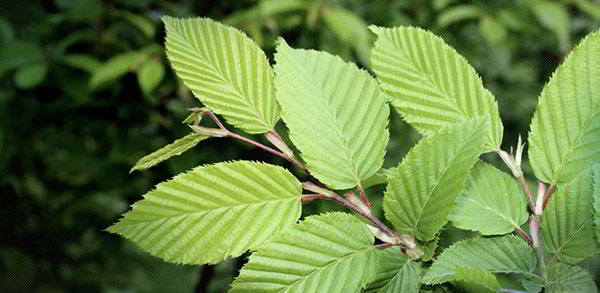
Slippery Elm – Technically called Ulmus Rubra, the Slippery Elm, is a species of elm native to eastern North America, from southeast North Dakota, east to southern Quebec, south to northernmost Florida, & west to eastern Texas. The tree had many traditional uses by Native Americans including using the inner bark fiber for thread, bow strings, ropes, clothing & more; the wood was used for numerous purposes, & the bark & leaves in washes & teas for medical purposes. Treatments included digestive disorders, gastrointestinal conditions, sore throats, ulcers, gout, arthritis, stomach ache, intestinal worms, cough, & bronchitis, & other respiratory irritations. Whole bark was also used as an abortifacient, but, sometimes had serious consequences, including the death of the mother. Washes were used to treat skin conditions, vaginitis, hemorrhoids, toothaches, & spider bites.

Stevia – A genus of about 240 species of herbs & shrubs in the sunflower family, it is native to subtropical & tropical regions from western North America to South America. The species, Stevia Rebaudiana, commonly known as Sweetleaf & Sugarleaf, has long been used as a sweetener, as well as in treating heartburn, obesity, flatulence, diabetes, & hypertension.

Stiff Goldenrod – Officially called Oligoneuron Rigidum, & also known as Prairie Goldenrod Rigid Goldenrod. The leaves & blossoms have been found to be an effective antiseptic, astringent & to stop bleeding. It has long been a valuable remedy in the treatment of all kinds of hemorrhages. Often the flowers were ground into a lotion & used by Native Americans to treat bee stings.

Stoneseed – Technically known as Lithospermum Officinale, this genus of plants belonging to the Boraginaceae family is also commonly known as Gromwell. The mature seeds have long been ground into a powder & used to treat bladder stones, arthritis, as a sedative. Many Native Americans, such as the Shoshoni, also used its roots as a contraceptive. A syrup made from a decoction of the root & stems was also used in the treatment of eruptive diseases such as smallpox, measles & itch.

Sumac – Scientifically called Rhus Glabra, this shrub is native to North America found in all 48 mainl& states of USA & in southern Canada. Also called Dwarf Sumac, Mountain Sumac, Scarlet Sumac, Smooth Sumac, Upland Sumac, White Shoemake, Vinegar-tree, & Red Sumac, it was used extensively by Native Americans for food & medicine. Young shoots, roots & fruit were eaten raw. The fruit was also cooked or tribes believed that Sumac could foretell the weather & the changing of the seasons, so it was held as a sacred plant. An infusion of the bark or roots was used as an antiseptic, astringent, diuretic, & for the treatment of colds, diarrhea, fever, to increase the flow of breast milk, sore mouths & throats, & inflammation of the bladder & painful urination. An infusion of the leaves was used for asthma, diarrhea, & stomach aches. A poultice of the leaves & berries was used to treat skin rashes, burns, poison ivy, & skin eruptions. The powdered bark was often made into an antiseptic salve & the leaves were chewed for sore gums & rubbed on sore lips. The berries have been chewed as a remedy for bed-wetting. An infusion of the blossoms used as an eye wash for sore eyes. The milky latex from the plant is used as a salve on sores. Mild decoctions from the bark was also used as a gargle for sore throats.

Sweetflag – Officially known as Acorus Calamus, this plant, native to Southern Asia, is has long since been introduced to most parts of the world. Also called Calamus, Sweet Sedge & Myrtle Flag, it has a very long history of medicinal use in many herbal traditions. The root has been used to treat flatulence, colds, cough, heart disease, bowel problems, colic, cholera, menstrual problems, dropsy, headache, sore throat, spasms, toothache, & swelling. It has also been used externally to treat skin eruptions, rheumatic pain, & arthritis. Some Native American tribes considered the root a panacea; others thought it had mystic powers.

Disclaimer:  These herbs have not been evaluated by the Food & Drug Administration. Plants listed here must not be used to diagnose, treat, or heal medical conditions. Many are poisonous.

Thursday, June 25, 2020

Native American Medicinal Plants T - Z


Tobacco – Officially called Nicotiana, there are over 60 species of tobacco, most of which are indigenous to Australia & America. The plants has long been important in Native American culture for social, religious, ceremonial purposes as well as in medicinal remedies. The leaves have long been used to treat pain, colic, kidney problems, dropsy, fever, colic, worms, convulsions, toothache, as an antidote for poison, skin conditions, boils, tuberculosis, vertigo, & to treat insect & snakebites.

Trichostema lanceolatum, used by natives of northern California as a cold & fever remedy, a pain reliever, & a flea repellent.

U

Poultices of Umbellularia leaves were used to treat rheumatism & neuralgias. The Pomo & Yuki tribes of Mendocino County treated headaches by placing a single leaf in the nostril or bathing the head with a laurel leaf infusion.

Uva Ursi – Officially known as Arctostaphylos Uva Ursi, it is also known as Bearberry & Beargrape because bears like eating the fruit. It has been used medicinally since the 2C & Native Americans were known to have used it for bladder & urinary tract infections.

V

Virginia iris – Cherokee & other tribes in the southeastern United States are known to have used Virginia iris for its medicinal properties. The root was pounded into a paste that was used as a salve for skin. An infusion made from the root was used to treat ailments of the liver, & a decoction of root was used to treat "yellowish urine." Virginia iris may have been one of the iris species used by the Seminole to treat "shock following alligator-bite."

W

Western Skunk Cabbage – Officially known as Lysichiton Americanus, it is also called Yellow Skunk Cabbage or Swamp Lantern. Found in swamps & wet woods in the Pacific Northeast, it has a “skunky” odor that permeates the area where the plant grows. Native Americans used the plant as a medicine for burns & injuries, & to cure sores & swelling. 

Wild Rose – Cherokee healers recommend a decoction of the roots for diarrhea. 

White Pine – Known as Pinus Strobus officially, & commonly as Deal Pine & Soft Pine, it is native to North America from Grows from Newfoundland to Georgia mountains & central Iowa, west to northern Illinois. The inner bark, young shoots, twigs, pitch, & leaves have long been used by Native Americans in medicinal remedies to treat colds, cough, flu, pneumonia, fever, heartburn, headache, arthritis, neuritis, bronchitis, croup, laryngitis, & kidney problems. Some Native American tribes used the inner bark or the sap as a poultice for wounds & sores. 

White Willow  –  Some Native American Indians burned willow stems & used the ashes to treat sore eyes.

The inner bark of willow trees has been used by Native American groups for health issues including headache, bleeding cuts, skin sores, fever, cough & hoarseness, menstrual cramping, stomach pain & diarrhea. The inner bark is most often made into tea & drank, though it is also made into a poultice to cover the skin over broken bones or used to wash skin & hair to promote skin repair & hair growth.
Tribe Uses
Keres Analgesic
Hualapai Antirheumatic
Alabama Antidiarrheal
Abnaki Cough Medicine
Navajo Ceremonial Medicine
Thompson Orthopedic Aid (i.e. broken bones), colds, coughs, laxative
Seminole Analgesic

The Thompson people would make a concoction of wood, willow, soapberry branches & "anything weeds" to treat broken bones. If they wanted to treat a cold, however, the Thompson people would make a decoction of red willow branches & wild rose roots.

Wild Black Cherry – The Mohegan tribe allowed the ripe wild black cherry to ferment naturally in a jar about a year than then drank the juice to cure dysentery & the Meskwaki tribe were known to have made a sedative tea of the root bark. Note that the leaves & seed are poisonous.

Wild Carrot –  The Mohegan tribe were known to have steeped the blossoms in warm water to make a tea for diabetes. 

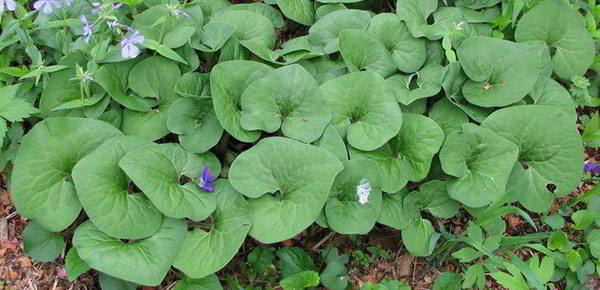
Wild Ginger – Officially known as Asarum Canadense, it is also called Canada Wild Ginger & Canadian Snakeroot, it native to forests in eastern North America, from the Great Plains east to the Atlantic Coast, & from southeastern Canada south to the southeastern United States. Native Americans used the roots as a seasoning as well as a medicinal herb to treat dysentery, digestive problems, swollen breasts, cough, & colds, typhus, scarlet fever, nerves, sore throat, cramps, earache, headache, convulsions, asthma, tuberculosis, urinary disorders & venereal disease. They also used it as a stimulant & appetite enhancer.

Willow – Of the Salix family, there are about 400 species of these trees & shrubs.  Native Americans across the American continent relied on it as a staple of their medical treatments. The Pomo tribe boiled the inner root bark to use in tea to induce sweating in cases of chills & fever. In the south, the Natchez prepared their fever remedies from the bark of the red willow, while the Alabama & Creek Indians plunged into willow root baths for the same purpose.

Witch Hazel – A proven astringent, it is produced from the leaves & bark of the North American Witch-hazel shrub, officially known as Hamamelis Virginiana. It grows naturally from Nova Scotia west to Ontario, Canada, & south to Florida & Texas in the United States & was widely used for medicinal purposes by American Indians. The Menominee of Wisconsin boiled the leaves & rubbed the liquid on the legs of tribesmen who were participating in sporting games. A decoction of the boiled twigs was used to cure aching backs, while steam derived by placing the twigs in water with hot rocks was a favorite Potawatomi treatment for muscle aches.

Wormwood – Officially called Artemisia Absinthium, it is also known as Absinthe & Green Ginger.  The Yokia Indians were known to have used a tea of the boiled leaves of a local species of wormwood to cure bronchitis.

Y

Yellow Dock – Officially known as Rumex Crispus, this common weed of the Buckwheat family are originally introduced from Europe & are now naturalized throughout North America. Also known as Curly Dock, Sour Dock, & Narrow Dock, it was quickly adopted by Native Americans as a traditional medicine & food. Both the leaves & roots were used by different tribes throughout North America to treat constipation, purify the blood, ringworm, & for stomach aches. The Navajo used the root as a tonic, considering it a “life medicine” & Cherokee herbalists prescribed a warm wash made from the decoction of crushed roots for a disinfectant.

Yellow Root – Officially called Xanthorhiza Simplicissima, this woody stemmed plant is native to the eastern United States from Maine south to northern Florida & west to Ohio & eastern Texas. While Yellow Root is toxic in large doses, Native Americans made a tea of it for treatment for mouth problems, stomach ulcers, stomach ache & used it externally on sores, skin conditions, & swelling. 

Yellow Spined Thistle – Officially called Cirsium Ochrocentrum, it is native to the central United States & has long been used by Native Americans in medicinal remedies. It was used in by the Zuni tribe as a contraceptive, & to treat syphilis & diabetes. The Kiowa also used the plant as wash for burns, sores, & other skin conditions.

Disclaimer:  These herbs have not been evaluated by the Food & Drug Administration. Plants listed here must not be used to diagnose, treat, or heal medical conditions. Many are poisonous.

Wednesday, June 3, 2020

Cherokee Plant Lore


Extracted from:  Myths of the Cherokee.  Extract from the Nineteenth Annual Report of the Bureau  of American Ethnology. Washington Government Printing Office 1902  Recorded by James Mooney (1861-1921) was an American ethnographer who lived for several years among the Cherokee.

PLANT LORE

The Cherokee have always been an agricultural people, and their old country is a region of luxuriant flora, with tall trees and tangled undergrowth on the slopes and ridges, and myriad bright-tinted blossoms and sweet wild fruits along the running streams. The vegetable kingdom consequently holds a far more important place in the mythology and ceremony of the tribe than it does among the Indians of the plains and arid sage deserts of the West, most of the  beliefs and customs in this connection centering around the practice of medicine, as expounded by priests and doctors in every settlement. Generally it is held that the plant world is friendly to humans, and constantly at the willing service of the doctors to counteract the jealous hostility of the animals. The sacred formulas contain many curious instructions for the gathering and preparation of the medicinal roots and barks, which are selected chiefly in accordance with the theory of correspondences.

Sunday, May 31, 2020

3 Cherokee Plant Lore


Extracted from:  Myths of the Cherokee.  Extract from the Nineteenth Annual Report of the Bureau  of American Ethnology. Washington Government Printing Office 1902  Recorded by James Mooney (1861-1921) was an American ethnographer who lived for several years among the Cherokee.

PLANT LORE

The division of trees into evergreen and deciduous is accounted for by a myth, related elsewhere, according to which the loss of their leaves in winter time is a punishment visited upon the latter for their failure to endure an ordeal to the end. With the Cherokee, as with nearly all other tribes east and west, the cedar is held sacred above other trees. The reasons for this reverence are easily found in its ever-living green, its balsamic fragrance, and the beautiful color of its fine-grained wood, unwarping and practically undecaying. The small green twigs are thrown upon the fire as incense in certain ceremonies, particularly to counteract the effect of asgina dreams, as it is believed that the anisgi'na or malevolent ghosts can not endure the smell; but the wood itself is considered too sacred to be used as fuel. In the war dance, the scalp trophies, stretched on small hoops, were hung upon a cedar sapling and decorated for the occasion. According to a myth the red color comes originally from the blood of a wicked magician, whose severed head was hung at the top of a tall cedar. The story is now almost forgotten, but it was probably nearly identical with one still existing among the Yuchi, former neighbors of the Cherokee. According to the Yuchi myth, a malevolent magician disturbed the daily course of the sun until at last two brave warriors sought him out and killed him in his cave. They cut off his head and brought it home with them to show to the people, but it continued still alive. To make it die they were advised to tie it in the topmost branches of a tree. This they did, trying one tree after another, but each morning the head was found at the foot of the tree and still alive. At last they tied it in a cedar, and there the head remained until it was dead, while the blood slowly trickling down along the trunk gave the wood its red color, and henceforth the cedar was a "medicine" tree.

Tuesday, May 26, 2020

Karl Bodmer (1809-1893) paints a Funeral scaffold of a Sioux chief

Karl Bodmer (Swiss Artist, 1809-1893) Funeral scaffold of a Sioux chief

The Sioux ( Dakota), are groups of Native American tribes & First Nations peoples in North America. The term can refer to any ethnic group within the Great Sioux Nation or to any of the nation's many language dialects.

The Dakota are first recorded to have resided at the source of the Mississippi River & the Great Lakes during the seventeenth century.  They were dispersed west in 1659 due to warfare with the Iroquois. By 1700 the Dakota Sioux were living in Wisconsin & Minnesota, at this time they exterminated the Wicosawan, another Siouan people in 1710. A split of branch known as the Lakota had migrated to present-day South Dakota.  Late in the 17th century, the Dakota entered into an alliance with French merchants.  The French were trying to gain advantage in the struggle for the North American fur trade against the English, who had recently established the Hudson's Bay Company.

The first recorded encounter between the Sioux & the French occurred when Radisson & Groseilliers reached what is now Wisconsin during the winter of 1659–60. Later visiting French traders & missionaries included Claude-Jean Allouez, Daniel Greysolon Duluth, & Pierre-Charles Le Sueur who wintered with Dakota bands in early 1700.  In 1736 a group of Sioux killed Jean Baptiste de La Vérendrye & twenty other men on an island in Lake of the Woods.  However, trade with the French continued until the French gave up North America in 1763.

The Pawnee Indians had a long tradition of living in present-day Nebraska.  Their first land cession to the United States took place in 1833 when they sold land south of the Platte River. The Massacre Canyon battlefield near Republican River is located within this area. Forty years & two land cessions later, the tribe lived in a small reservation on old Pawnee land, present-day Nance County. The Pawnees had kept a right to hunt buffalo on their vast, ancient range between the Loup, Platte & Republican rivers in Nebraska & south into northern Kansas, now territory of the United States. They had suffered continual attacks by the Lakota that increased violently in the early 1840s. The Lakota lived north of the Pawnee. In 1868 they had entered into a treaty with the United States & agreed to live in the Great Sioux Reservation in present-day South Dakota. By Article 11 they (also) received a right to hunt along the Republican, almost 200 miles south of the reservation.  Both the Pawnee & the Lakota complained regularly over attacks by the other tribe. An attempt to make peace in 1871 with the United States as intermediary came to nothing.

The Massacre Canyon battle took place in Nebraska on August 5, 1873 near the Republican River. It was one of the last hostilities between the Pawnee & the Lakota & the last battle/massacre between Great Plains Indians in North America.  The massacre occurred when a large Oglala/Brulé Sioux war party of over 1,500 warriors led by Two Strike, Little Wound, & Spotted Tail attacked a band of Pawnee during their summer buffalo hunt. In the ensuing rout more than 75–100 Pawnees were killed, men with mostly women & children, the victims suffering mutilation & some set on fire.

The Pawnee were traveling along the west bank of the canyon, which runs south to the Republican River, when they were attacked. "A census taken at the Pawnee Agency in September, according [to] Agent Burges  "71 Pawnee warriors were killed, & 102 women & children killed", the victims brutally mutilated & scalped & others even set on fire"  although Trail Agent John Williamson's account states 156 Pawnee died. It is likely the death toll would have been higher, for Williamson noted ". . . a company of United States cavalry emerge[d] from the timber. When the Sioux saw the soldiers approaching they beat a hasty retreat, although "Recently discovered military documents disproved the old theory" per the "Massacre Canyon Monument" article. This massacre is by some considered one of the factors that led to the Pawnees' decision to move to a reservation in Indian Territory in what is today Oklahoma.  The Pawnee disagree.

By 1862, shortly after a failed crop the year before & a winter starvation, the federal payment was late. The local traders would not issue any more credit to the Santee & one trader, Andrew Myrick, went so far as to say, "If they're hungry, let them eat grass."  On August 17, 1862 the Dakota War began when a few Santee men murdered a white farmer & most of his family. They inspired further attacks on white settlements along the Minnesota River. The Santee attacked the trading post. Later, settlers found Myrick among the dead with his mouth stuffed full of grass.

On November 5, 1862 in Minnesota, in courts-martial, 303 Santee Sioux were found guilty of rape & murder of hundreds of American settlers. They were sentenced to be hanged. No attorneys or witnesses were allowed as a defense for the accused, & many were convicted in less than five minutes of court time with the judge.  President Abraham Lincoln commuted the death sentences of 284 of the warriors, while signing off on the hanging of 38 Santee men on December 26, 1862 in Mankato, Minnesota. It was the largest mass-execution in U.S. history, on US soil.

Afterwards, the US suspended treaty annuities to the Dakota for four years & awarded the money to the white victims & their families. The men remanded by order of President Lincoln were sent to a prison in Iowa, where more than half died.

During & after the revolt, many Santee & their kin fled Minnesota & Eastern Dakota to Canada, or settled in the James River Valley in a short-lived reservation before being forced to move to Crow Creek Reservation on the east bank of the Missouri. A few joined the Yanktonai & moved further west to join with the Lakota bands to continue their struggle against the United States military.

Others were able to remain in Minnesota & the east, in small reservations existing into the 21st century, including Sisseton-Wahpeton, Flandreau, & Devils Lake (Spirit Lake or Fort Totten) Reservations in the Dakotas. Some ended up in Nebraska, where the Santee Sioux Reservation today has a reservation on the south bank of the Missouri.

Those who fled to Canada now have descendants residing on nine small Dakota Reserves, five of which are located in Manitoba (Sioux Valley, Long Plain, Dakota Tipi, Birdtail Creek, & Oak Lake [Pipestone]) & the remaining four (Standing Buffalo, Moose Woods [White Cap], Round Plain [Wahpeton], & Wood Mountain) in Saskatchewan.

Red Cloud's War (also referred to as the Bozeman War) was an armed conflict between the Lakota & the United States Army in the Wyoming Territory & the Montana Territory from 1866 to 1868. The war was fought over control of the Powder River Country in north central Wyoming.

The war is named after Red Cloud, a prominent Sioux chief who led the war against the United States following encroachment into the area by the U.S. military. The war ended with the Treaty of Fort Laramie. The Sioux victory in the war led to their temporarily preserving their control of the Powder River country.

The Great Sioux War of 1876, also known as the Black Hills War, was a series of battles & negotiations which occurred in 1876 & 1877 between the Lakota Sioux, Northern Cheyenne, & the United States. The cause of the war was the desire of the U.S. government to obtain ownership of the Black Hills. Gold had been discovered in the Black Hills, settlers began to encroach onto Native American lands, & the Sioux & Cheyenne refused to cede ownership to the U.S. Traditionally, the United States military & historians place the Lakota at the center of the story, especially given their numbers, but some Indians believe the Cheyenne were the primary target of the U.S. campaign.

The earliest engagement was the Battle of Powder River, & the final battle was the Wolf Mountain. Included are the Battle of the Rosebud, Battle of Warbonnet Creek, Battle of Slim Buttes, Battle of Cedar Creek, & the Dull Knife Fight.

Among the many battles & skirmishes of the war was the Battle of the Little Bighorn, often known as Custer's Last Stand, the most storied of the many encounters between the U.S. army & mounted Plains Indians. The Battle of the Little Bighorn, known to the Lakota & other Plains Indians as the Battle of the Greasy Grass & also commonly referred to as Custer's Last Stand, was an armed engagement between combined forces of the Lakota, Northern Cheyenne, & Arapaho tribes & the 7th Cavalry Regiment of the United States Army. The battle, which resulted in the defeat of US forces, was the most significant action of the Great Sioux War of 1876. It took place on June 25–26, 1876, along the Little Bighorn River in the Crow Indian Reservation in southeastern Montana Territory.

The fight was an overwhelming victory for the Lakota, Northern Cheyenne, & Arapaho, who were led by several major war leaders, including Crazy Horse & Chief Gall, & had been inspired by the visions of Sitting Bull (Tȟatȟáŋka Íyotake). The US 7th Cavalry, a force of 700 men, suffered a major defeat while under the command of Lieutenant Colonel George Armstrong Custer (formerly a brevetted major general during the American Civil War). Five of the 7th Cavalry's twelve companies were annihilated & Custer was killed, as were two of his brothers, a nephew & a brother-in-law. The total US casualty count included 268 dead & 55 severely wounded (six died later from their wounds), including four Crow Indian scouts & at least two Arikara Indian scouts. The Little Bighorn Battlefield National Monument honors those who fought on both sides.

That Indian victory notwithstanding, the U.S. leveraged national resources to force the Indians to surrender, primarily by attacking & destroying their encampments & property. The Great Sioux War took place under the presidencies of Ulysses S. Grant & Rutherford B. Hayes. The Agreement of 1877 (19 Stat. 254, enacted February 28, 1877) officially annexed Sioux land & permanently established Indian reservations.

The massacre at Wounded Knee Creek was the last major armed conflict between the Lakota & the United States. It was described as a "massacre" by General Nelson A. Miles in a letter to the Commissioner of Indian Affairs.

On December 29, 1890, five hundred troops of the 7th Cavalry Regiment, supported by four Hotchkiss guns (a lightweight artillery piece capable of rapid fire), surrounded an encampment of the Lakota bands of the Miniconjou & Hunkpapa with orders to escort them to the railroad for transport to Omaha, Nebraska.

By the time it was over, 25 troopers & more than 150 Lakota Sioux lay dead, including men, women, & children. It remains unknown which side was responsible for the first shot; some of the soldiers are believed to have been the victims of "friendly fire" because the shooting took place at point-blank range in chaotic conditions. Around 150 Lakota are believed to have fled the chaos, many of whom may have died from hypothermia.

From Europe to the Atlantic coast of America to the Pacific coast of America during the 17C-19C, settlers moved West encountering a variety of Indigenous Peoples on their journeys. Karl Bodmer (Swiss Artist, 1809-1893) developed a remarkable talent for drawing & painting while studying with his uncle, painter & engraver Johann Jacob Meyer. After further studies in Paris, he joined his brother on a sketching trip through Germany in 1832 where he met Prince Maximilian zu Weid. Maximilian, known for his natural history research in the coastal forests of Brazil, was searching for a professional artist to accompany him on his expedition to North America. Bodmer signed a contract with Maximilian &, 3 weeks later, they set sail for America. From 1833-1834, the two traveled up the Missouri River, retracing the 1805 journey of Lewis & Clark. On the expedition, Bodmer depicted some of the same characters that George Caitlin had painted just months before. Bodmer was the last artist able to paint the Mandan Indians in North Dakota before the fatal 1837 smallpox epidemic that nearly obliterated the tribe. He also painted portraits of the Sioux, Blackfeet, Hidatsa, & other tribes, while Maximilian conducted studies & made notes on the botany & zoology of the areas. Before the end of the journey, Bodmer had completed 81 paintings, illustrating Maximillians expedition. Each elegant painting displayed extremely detailed & accurate accounts of Indian ceremonies & everyday life. In 1843, Maximilian's lithographs were published in Travels in the Interior of America.

Monday, May 18, 2020

Brief Reading List for Native Americans & Medicinal Plants


See:
Bean, Lowell J. Saubel, Katherine S. Temalpakh: Cahuilla Indian Knowledge and Usage of Plants

Densmore, Frances. How Indians Use Wild Plants for Food, Medicine and Crafts.
New York: Dover Publications, Inc. 1974

Duke, James A.Handbook of Northeastern Indian Medicinal Plants

Gilmore, Melvin R. Uses of Plants by the Indians of the Missouri River Region 

Goodrich, Jennie and Lawson, Claudia, and Lawson, Vana P. Kashaya Pomo Plants (Sonoma County, CA)

Gunther, (Jeanne R. Janish Illustrator) Ethnobotany of Western Washington: The Knowledge and Use of Indigenous Plants by Native Americans

Harrington, John P. Tobacco Among the Karuk Indians of California (Bureau of American Ethnology Series)

Hart, Jeff, (Jacqueline Moore Illustrator) Montana Native Plants & Early Peoples

Herrick, James W.  and Snow, Dean R. (Editor) Iroquois medical botany. Syracuse, NY: Syracuse University Press, 1995.

Hutchens, Alma R. Indian Herbalogy of North America; The definitive guide to Native medicinal plants and their uses. Shambhala: Boston. 1973

Hutchens, Alma R. A Handbook of Native American Herbs; the pocket guide to 125 medicinal plants and their uses. Shambhala: Boston. 1992

Kavasch, Barrie Native Harvests; Recipies and Botanicals of the American Indian. Random House, Vintage Books: NY. 1979

Moreman, Daniel E. Geraniums for the Iroquois: A Field Guide to American Indian Medicinal Plants

Reichard, GA. Navaho religion: a study of symbolism. Princeton, NJ: Princeton University Press, 1990.

Stark, Raymond. Guide to Indian Herbs

Stevenson, Matilda Coxe. The Zuni Indians and Their Uses of Plants

Strike, Sandra S. Ethnobotany of the California Indians: Aboriginal Uses of Californias Indigeneous Plants

Taylor, Lyda Averill Paz. Plants Used As Curatives by Certain Southeastern Tribes

Turner, Nancy J. Food Plants of Coastal First Peoples (Royal British Columbia Museum)

Turner, Nancy J. Food Plants of Interior First Peoples (Royal British Columbia Museum)

Vogel VJ. American Indian medicine. University of Oklahoma Press, 1970.

Wyman Leland Clifton Wyman and Harris, Stuart Kimbal. Navajo Indian Medical Ethnobotany (University of New Mexico Bulletin Anthropological Series, Vol 3, No 5)

Friday, April 24, 2020

Native American Medicinal Plant - Wild Ginger

wild ginger

Native American healers used this plant for treating earache and ear infections. Before Europeans determined to explore, colonize, & claim the vast continents of North & South America, the indigenous peoples also made a mild tea from the root-stock for stimulating the digestive system and relieving bloating. 

Wednesday, April 22, 2020

Native American Medicinal Plant - Slippery Elm

slippery elm

The Native Americans used the inner bark to fashion bow strings, rope, thread, and clothing. Before Europeans determined to explore, colonize, & claim the vast continents of North & South America, tea was made from the bark and leaves to soothe toothaches, respiratory irritations, skin conditions, stomach ache, sore throats, and even spider bites.

Saturday, April 18, 2020

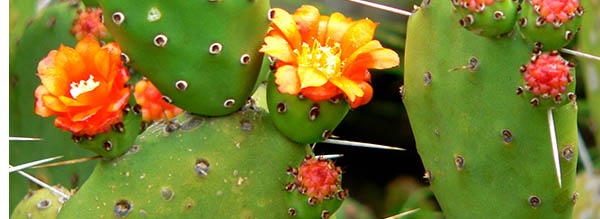
Native American Medicinal Plant - Prickly Pear Cactus

Prickly-Pear-Cactus

This plant has been used as both a food and medicine. Before Europeans determined to explore, colonize, & claim the vast continents of North & South America, Native American healers made a poultice from mature pads as an antiseptic and for treating wounds, burns, and boils. Tea was made to treat urinary tract infections and to help the immune system.

Thursday, April 16, 2020

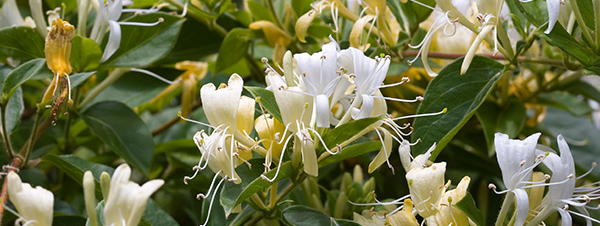
Native American Medicinal Plant - Honeysuckle

honeysuckle

Before Europeans determined to explore, colonize, & claim the vast continents of North & South America, this plant had been used as a natural remedy by Native American healers for treating asthma, but it has multiple healing purposes, including rheumatoid arthritis, mumps, and hepatitis. It also helps with upper respiratory tract infections, such as pneumonia.

Tuesday, April 14, 2020

Native American Medicinal Plant - Ashwagandha

ashwagandha-herb

This plant was an important plant for Native American healers because of its many unusual medicinal uses. It reportedly treats bone weakness, muscle weakness and tension, loose teeth, memory loss, and rheumatism. Apparently, before Europeans determined to explore, colonize, & claim the vast continents of North & South America,  natives knew that it could also be used as a sedative. It has an overall rejuvenating effect on the body as it improves vitality. 

Sunday, April 12, 2020

Native American Medicinal Plant - Mullein

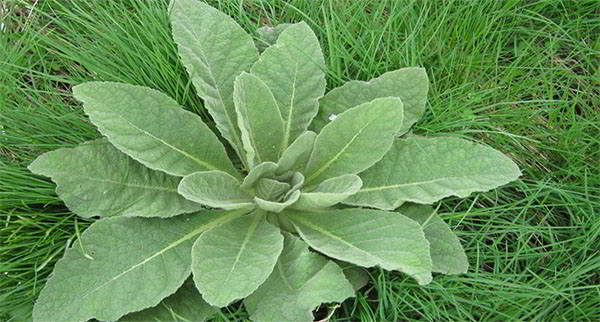
mullein

A tobacco-like plant, it was mainly used to treat respiratory disorders. Before Europeans determined to explore, colonize, & claim the vast continents of North & South America, Native American healers made concoctions from the roots to reduce swelling in the joints, feet, or hands. 

Friday, April 10, 2020

Native American Medicinal Plant - Licorice Root

licorice root

Today this root is famously used for flavoring candies, foods, and beverages. But before Europeans determined to explore, colonize, & claim the vast continents of North & South America, it had also been used by Native American healers to treat stomach problems, bronchitis, food poisoning, and chronic fatigue.

Wednesday, April 8, 2020

Native American Medicinal Plant - Uva Ursi

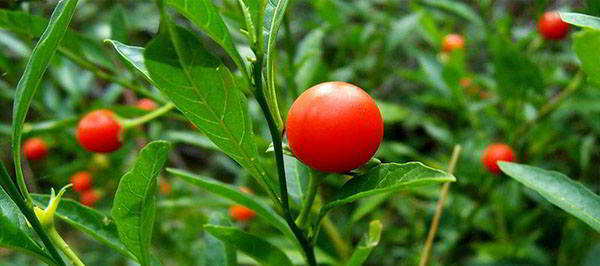
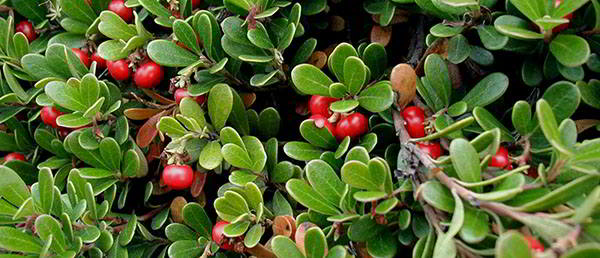
uva ursi

Because of the bear’s affection toward this plant’s fruits, it is also known as Bearberry and Beargrape. Before Europeans determined to explore, colonize, & claim the vast continents of North & South America,  Native Americans used this plant mainly for treating bladder and urinary tract infections.

Monday, April 6, 2020

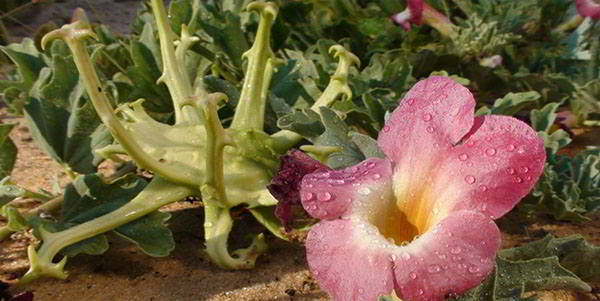
Native American Medicinal Plant - Devil's Claw

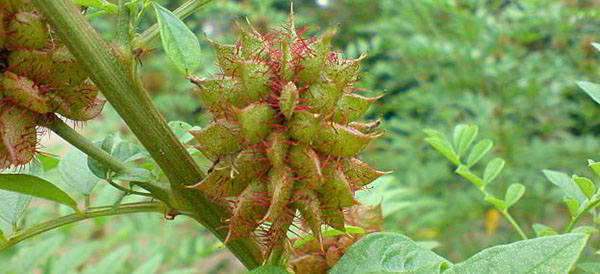
devil's claw

Before Europeans determined to explore, colonize, & claim the vast continents of North & South America, Native American healers used it to heal various conditions, from treating fever to soothing skin conditions, improving digestion, and treating arthritis. 

Saturday, April 4, 2020

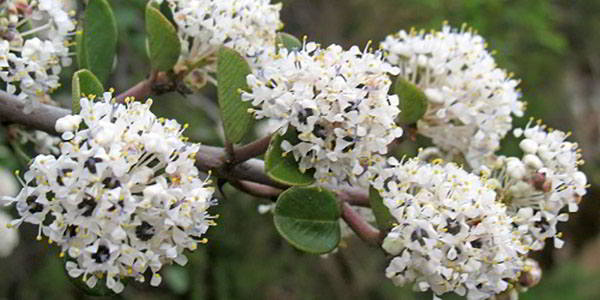
Native American Medicinal Plant - Hummingbird Blossom or Buck Brush

Buck-Brush

Before Europeans determined to explore, colonize, & claim the vast continents of North & South America, Native American healers used this plant for treating mouth and throat conditions as well as cysts, fibroid tumors, and inflammation. 

Thursday, April 2, 2020

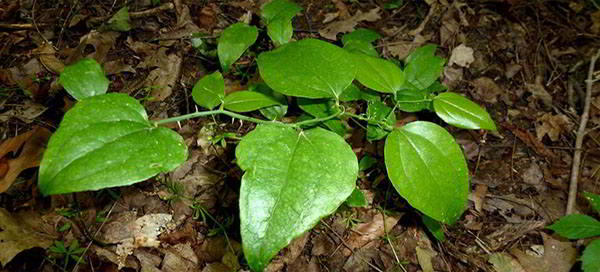
Native American Medicinal Plant - Pull Out A Sticker or Greenbriar

5. greenbriar

This root tea was used as a blood purifier or for relieving joint pain. Before Europeans determined to explore, colonize, & claim the vast continents of North & South America, some Native American healers made a salve from leaves and bark mixed with hog lard, which was applied to minor sores, scalds, and burns.